
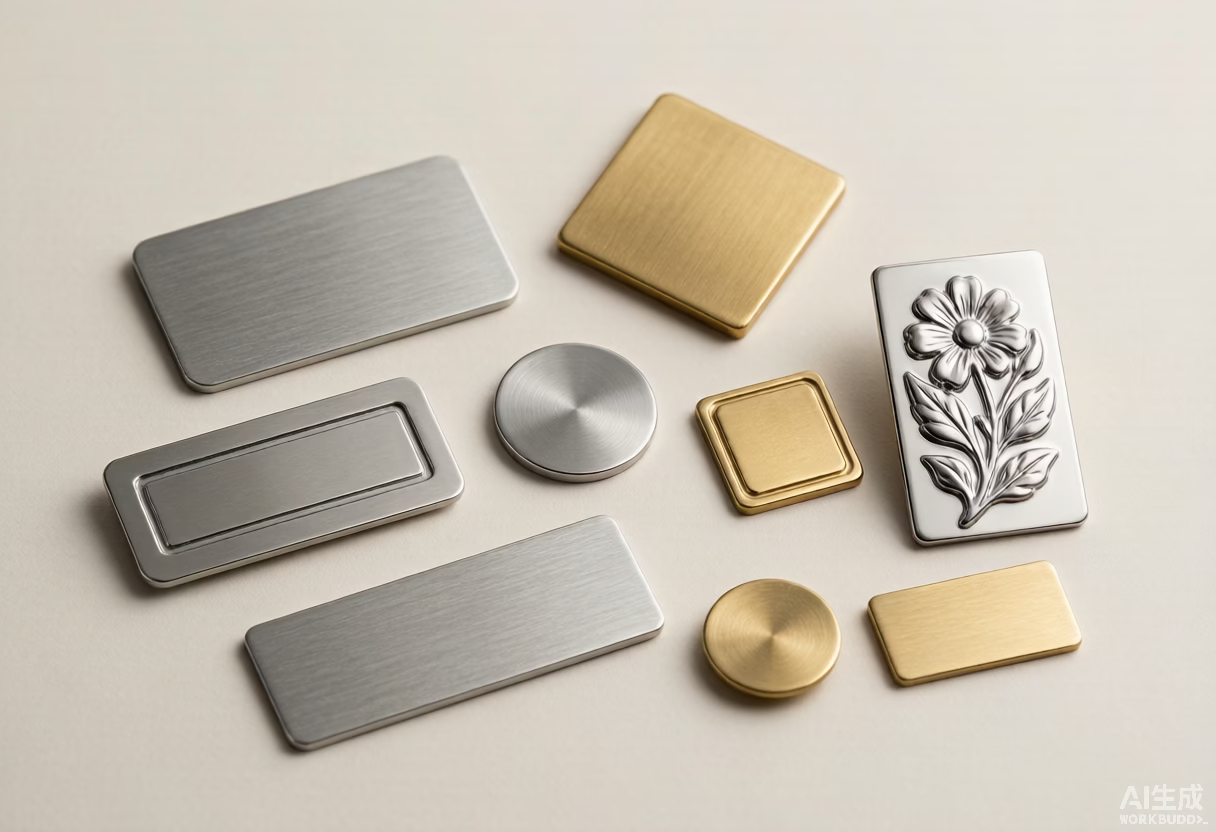
When you source custom metal labels and nameplates, it is tempting to start — and stop — at the price quote. But a low quote is worth little if the material cannot survive where your product actually lives. Pick the wrong substrate and you risk premature wear, a flat or cheap-looking finish, and money spent replacing parts that should have lasted for years.
Different metals behave very differently in weight, weather resistance, wear performance, and decorative finish. This practical guide walks you through the most common nameplate materials and where they genuinely earn their keep, so you can shortlist the right option before you ever request a quote.
Common Material Options for Metal Nameplates
Aluminum
Aluminum is the go-to for cost-sensitive projects. It is lightweight and budget-friendly, and it anodizes beautifully for crisp, fade-resistant graphics. Best suited for indoor-only installations such as equipment rating plates, electronics branding, and promotional labels where keeping weight down matters.
Stainless Steel
When your nameplate lives outdoors — or in a harsh, high-traffic, or wash-down environment — stainless steel is the reliable pick. It shrugs off rust, scratches, and most chemicals, holding up well against severe outdoor conditions and keeping its legibility for the life of the product. Choose it wherever rust resistance and long-term durability are non-negotiable.
Alliage de zinc
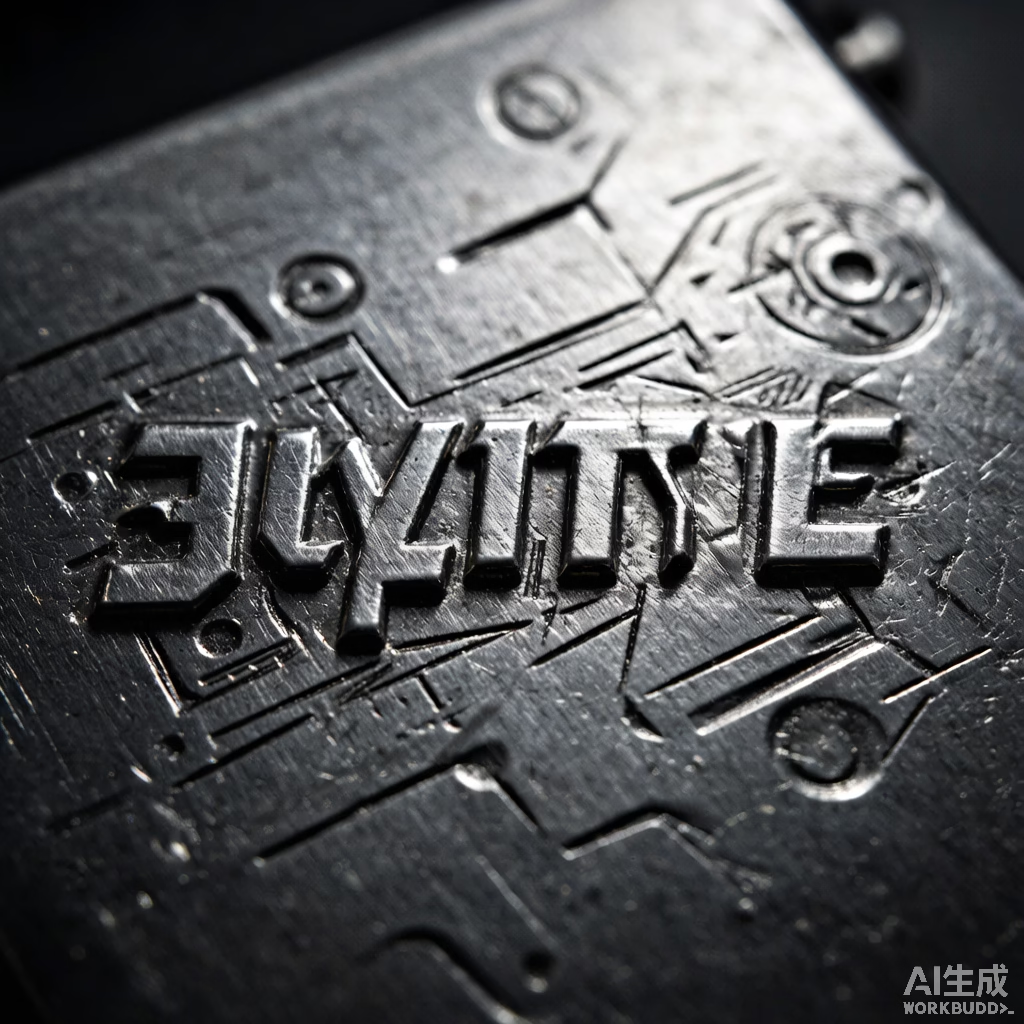
Reach for zinc alloy when you want deep, embossed 3D effects. Die-casting delivers prominent stereoscopic detail and a substantial, solid feel in the hand. It is ideal for raised-relief logos, badges, and keepsake-style nameplates where dimension and weight signal quality.
Copper
If your brand leans vintage, luxury, or artisanal, copper delivers. Its unique tone ages into a warm patina that adds high-grade character nothing else replicates. A strong choice for premium tactile quality and heritage styling on boutique products.
Electroformed Nickel Labels
Electroformed nickel labels are built for high-end decoration. An ultra-thin profile with sharp, intricate detail makes them perfect for sleek, premium branding on electronics, cosmetics, and luxury packaging — places where every micron is on display.
Material Comparison at a Glance
| Material | Best For | Key Strengths | Watch-outs |
|---|---|---|---|
| Aluminum | Indoor labels, electronics, promo | Lightweight, low cost, anodizes well | Limited outdoor durability |
| Stainless Steel | Outdoor, industrial, harsh env. | Rust-proof, scratch & chemical resistant | Heavier, higher cost |
| Alliage de zinc | 3D embossed badges, logos | Deep relief, solid premium feel | Not for thin, flat-minimal looks |
| Copper | Vintage / luxury branding | Unique aged tone, premium feel | Higher cost, patina varies |
| Electroformed Nickel | Sleek high-end branding | Ultra-thin, fine intricate detail | Specialized process |
Practical Buying Tips
Price should never be your only deciding factor.
A cheap solution turns into waste the moment the material cannot cope with your working environment. Match the substrate to where and how the part will be used — not to the lowest number on a quote.
If you are unsure which substrate fits your product, do not guess. Share a few details with our team — your application environment (indoor/outdoor, temperature, exposure) and your performance requirements (durability, finish, budget) — and we will give you a targeted material recommendation for your custom nameplate project.
Need a Material Recommendation?
Tell us where your nameplate will live and what it needs to survive. Our engineers will shortlist the right material and send a tailored quote — usually within one business day.
📩 Contact our team for a free material consultation and quote.
Keywords: metal nameplates, metal labels, nameplate material selection, aluminum, stainless steel, zinc alloy, copper, electroformed nickel.
